Over the past few weeks, my Honors Environmental Science class has been learning about climate change and its effect on our planet. We started the unit with a short, in-class activity on El Niño. It was in this activity that the class developed a thorough understanding of the severity of climate change along with the difference between climate and weather. Weather is the measure of daily temperature, precipitation, humidity, etc. while climate is the change in weather patterns over extended periods of time. Climate change and the warming of the Earth’s atmosphere also create stronger storms that occur more frequently. This was an incredible way to start out the unit as it was very eye-opening.
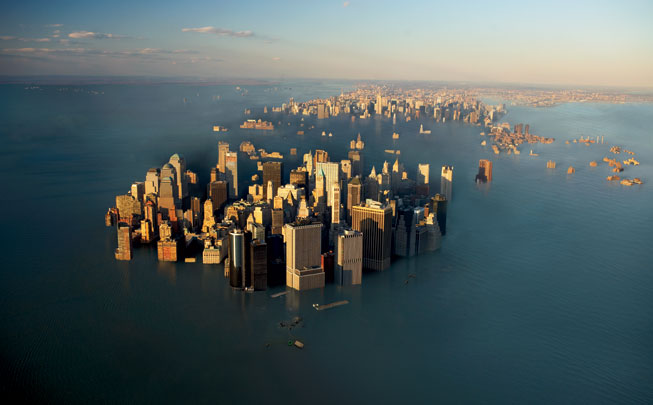
After completing the El Niño activity, two climate specialists came to speak with our class; Andra Reed (M.S.) and Dr. Greg Garner (PhD) of the Pennsylvania State University talked about their work studying climate change. The presentation began with Andra Reed where she explained her work studying the effects rising sea levels have on New York City. She went into detail about how climate scientists measure changes in the sea level as well as how they predict the future climate of the region. Her research was even featured in famous publications such as The New York Times. The presentation continued with Dr. Garner. He explained the work he does with studying air quality. Similarly to Andra Reed, Dr. Garner and his team use similar methods to arrive at their conclusions.
We then looked over a climate change presentation created by the Department of Biology and the Department of Geology at West Chester University. The presentation made it so that we were interns working for an imaginary senator. Our goal was to educate our senator on climate change for legislation he was about to pass and we had to start at square one. Here’s what we learned.
Climate was the first thing we learned about; it is the pattern of precipitation, temperature, and wind in a particular area. Climate quickly lead into the discussion on climate change. Climate change is when climate patterns change in time or space. For example, a change in time would be the winter months getting warmer. A change in space would be the occurrence of extreme weather events in areas where they typically do not occur. Climate change is a difficult thing to study, however, because there are so many factors. Climate can be studied in periods of tens, hundreds, or thousands of years and on the local, regional, national, or global levels.
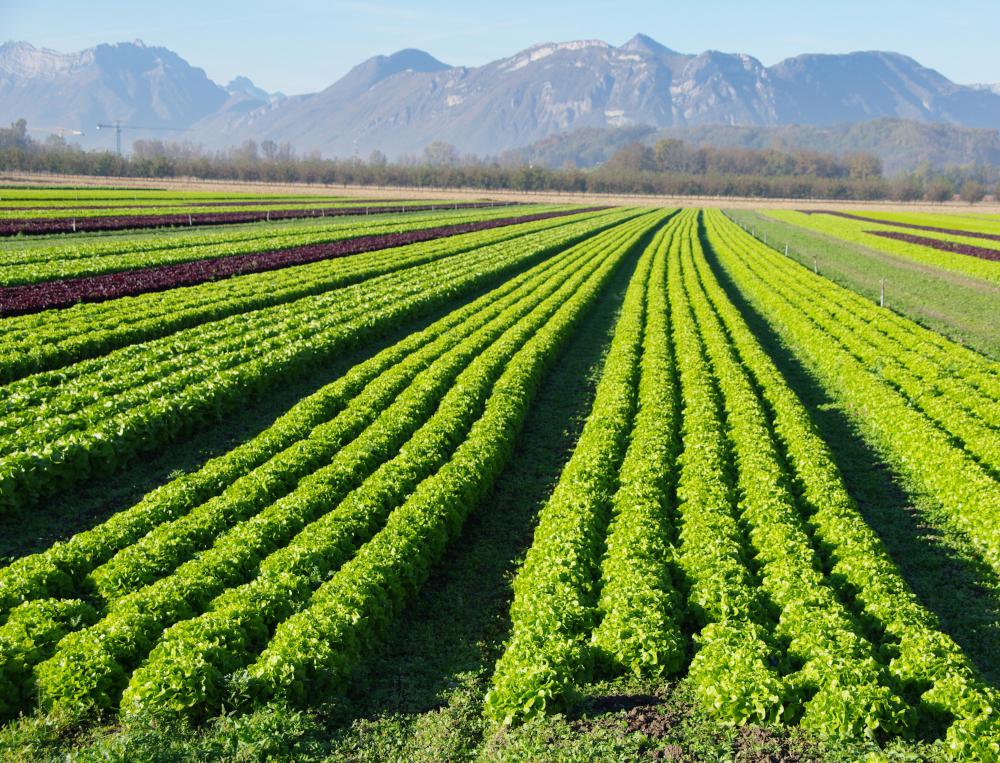
We then learned just how serious climate change is. Climate determines things such as the frequency of extreme weather events, the severity of droughts, the state of human-managed ecosystems like agricultural fields, and the location of biomes (large terrestrial ecosystems). Following our lesson on the severity of the issue, we learned what is causing climate change.
We discovered that temperatures are rising on Earth. While it is normal for our planet to go through gradual stages of warming and cooling, the recent spike in temperature over the past few decades has been rather extreme and far out of proportion compared to other warming and cooling cycles. There is a direct correlation between the rising temperatures and the rise of carbon dioxide. As the temperatures on the planet rise, so do the levels of carbon dioxide. This is because carbon dioxide is a type of greenhouse gas. Greenhouse gases are incredibly important; a portion of these gases get trapped in the Earth’s atmosphere, thus making the planet habitable for life. This is a process known as the greenhouse effect. Greenhouse gasses enter the atmosphere, reflect off the Earth’s surface, and the some go back off into space and some get trapped in by our atmosphere. without the greenhouse effect, humans and many other species would certainly go extinct. The problem is, humans are producing carbon dioxide at incredibly high rates. All this these extra man-made greenhouse gas emissions also get trapped into our atmosphere, and therefore also help raise the temperature of the Earth.
Human activities such as driving cars, flying planes, moving trains, heating homes, lighting streets, growing food, etc all contribute to more greenhouse gas emissions. The results could be (and will be if we do not stop) catastrophic. Just a one degree rise in temperature could cause massive sea level rises, more extreme storms, and the shift of biomes. Rises in temperature can make Pennsylvania feel like Georgia and Georgia feel like a tropical rainforest. Overall, the effects of climate change are detrimental and serious action needs to be taken in order to make a meaningful change in the world. This is our planet and we need to protect it.
Image 1 Source: https://toryardvaark.files.wordpress.com/2010/11/flooded-new-york.jpg
Image 2 Source: https://askabiologist.asu.edu/sites/default/files/image/article/2014/biomes-world.jpg
Image 3 Source: http://72abfb7c1a8a714119014a3d306595cd09781b35fe13ebdb4f63.r27.cf2.rackcdn.com/4C8755B4-B5C2-412D-BB43-16FF536A7514.jpg